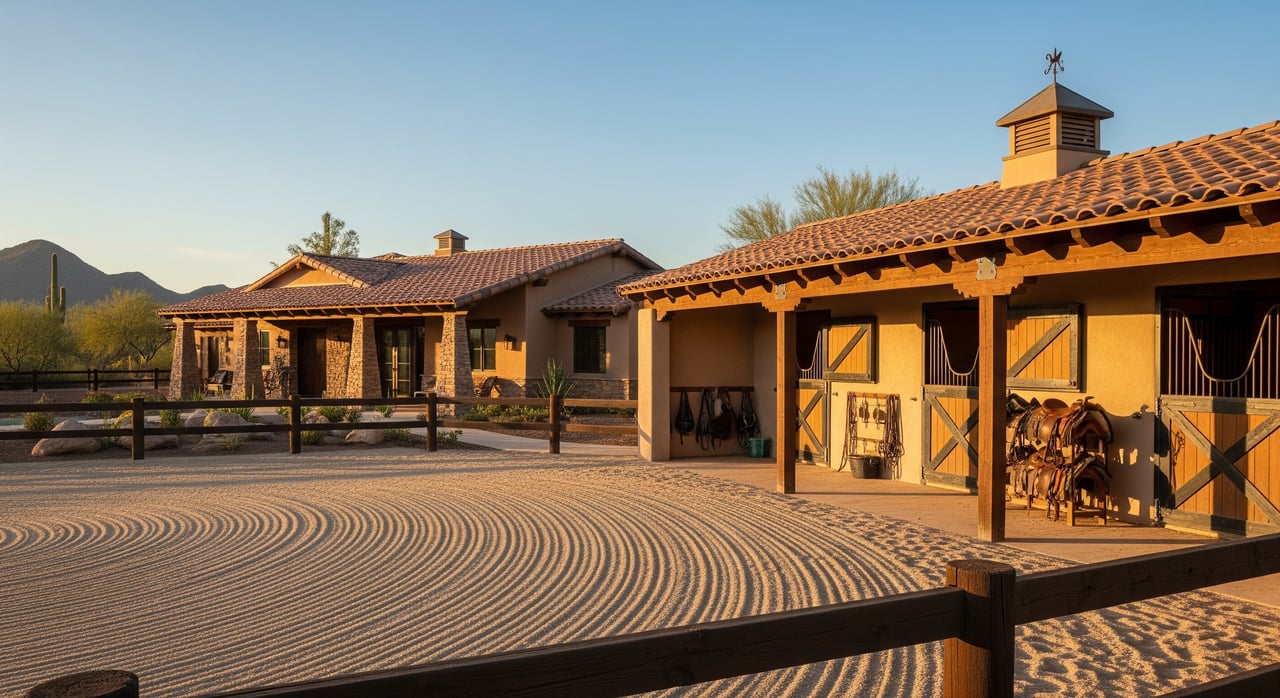
Thinking about buying a horse property in Cave Creek, but not sure where to start? You want acreage, a functional barn and arena, and the right mix of privacy and access without surprises after closing. The good news is that Cave Creek offers a true desert‑rural lifestyle close to Scottsdale and Phoenix, but buying smart takes a focused plan. This guide walks you through the key factors that matter most for equestrian properties in Cave Creek so you can shop with confidence and avoid costly missteps. Let’s dive in.
Why Cave Creek for horses
Cave Creek sits on the northern edge of the Phoenix metro, which creates a rare balance of rural living and city convenience. You will see listings that highlight arenas, barns, and usable acreage because those features drive value in this submarket. Many buyers choose Cave Creek to be near trail systems, regional parks, and an active equestrian community while staying commutable to the Valley.
Trail access varies by exact location, land manager, and permitted uses. Before you fall in love with a property, verify where horses are allowed, how you access trailheads, and whether any easements cross the parcel. Distances to equine vets, farriers, feed suppliers, and hauling services also shape your daily routine and costs.
Lot size, layout, and access
Your ideal acreage depends on how many horses you keep and how you manage turnout. A common rule of thumb is 1 to 2 acres per horse for turnout, but desert conditions, supplemental feeding, and rotation plans can change that significantly. Many buyers prefer larger parcels for rest and rotation since native forage is limited in the Sonoran Desert.
Parcel shape matters as much as size. Long, narrow lots can limit arena placement, barn entries, and efficient paddock layouts. Also review access conditions, including whether the road is paved or a private dirt road, who maintains it, and how seasonal storms might affect passability.
Water and wastewater systems you must vet
Water is the top due diligence item in Arizona. Confirm if the property is on town water, a shared system, or a private well, and ask for supporting documentation.
- For private wells, verify Arizona Department of Water Resources registration, well logs for depth and yield, and recent pump test data. Plan for sufficient storage and a backup plan for power outages.
- For municipal water, confirm meter capacity and any irrigation or livestock‑use restrictions. Understand how much water your barn and arena dust control will require in peak summer.
Water quality testing should cover hardness, nitrates, coliform and E. coli, arsenic, and any local contaminants. Horses need reliable, potable‑quality water in steady volumes. On the wastewater side, many rural properties use septic systems. Confirm capacity, permitting, and condition, especially if you plan to add barn washdown areas, staff housing, or new structures. New or expanded systems may require soil percolation tests and county approvals.
Barns, arenas, fencing, and drainage
Evaluate the barn as carefully as the house. Check stall sizes, ventilation, drainage, tack and feed storage, roofing, and overall structural integrity. In hot weather, orientation and airflow make a real difference, and you may want fans or evaporative cooling for stalls.
Arena footing and drainage are critical in desert climates. Look for sand‑based or engineered mixes designed for low dust and good drainage, and plan for dust control that does not create slippery conditions. Lighting and fencing around arenas may require permits, so confirm what is in place and what you might need to add.
Use horse‑safe fencing with high visibility. Common choices include pipe, wood rail, vinyl, or high‑tensile with visibility features. Avoid barbed wire for turnout. Finally, study drainage patterns. Desert washes and ephemeral streams can surge during storms. Review floodplain maps, walk the property after rain if possible, and assess wash crossings, culverts, and runoff controls that protect barns, arenas, and access drives.
Soil, vegetation, and forage
Desert soils often require amendments for pasture or arena bases. A basic soil test for salts and pH helps you plan improvements. Native vegetation and forage are limited, which means you will likely import hay year‑round and manage turnout with rotation and rest.
Watch for invasive species and brush that can elevate fire risk and crowd out useful forage. If you plan to establish pasture, make sure irrigation and soil conditions can support it and budget for ongoing maintenance.
Zoning, permits, and HOA rules
Start by confirming whether the property sits inside the Town of Cave Creek or in unincorporated Maricopa County. Zoning, animal counts, and permitting rules can differ. Key items to verify include the number of livestock allowed per acre, required setbacks for shelters and barns, accessory building size limits, and any restrictions on commercial activity such as boarding, training, or lessons.
Expect to need permits for new barns, covered arenas, or major renovations, as well as separate electrical and plumbing permits for barn systems. Septic changes go through the county, and wells are regulated at the state level. If you plan to host events, look into temporary event permits, parking, and traffic plans. Also review any HOA covenants or deed restrictions that affect animals, structures, or agricultural uses.
Day‑to‑day horse operations
Shade and shelter are essential in the Sonoran Desert. Consider run‑in sheds, shade sails, barn orientation, and reliable waterers. Some owners add fans or evaporative cooling for stalls during extreme heat.
Most feed will be imported, so plan for secure hay storage, rodent control, and straightforward delivery access. Build a manure management plan that may include composting or hauling and follow any local containment rules. For pests, extend your fly control program through the long warm season and consult your vet about regional vaccination and parasite protocols.
Create a large‑animal emergency plan. Map evacuation routes for trailers, identify muster points, and know which facilities can accept horses during wildfire or flood events. Reliable cell coverage and internet service make remote monitoring and coordination easier, so include communications in your property checklist.
Due diligence checklist
Use this list to structure your contingencies and inspections:
- Confirm parcel boundaries, recorded easements, and any trail or access easements.
- Run a title review for covenants, deed restrictions, and conservation easements.
- Verify zoning and permitted uses with the Town of Cave Creek or Maricopa County.
- Review well documentation, pump test data, and water quality results; confirm state registration.
- Inspect the septic system and obtain county inspection or performance data; schedule perk tests if expanding.
- Inspect barns, arenas, roofs, fencing, gates, and electrical systems that serve the barn and outbuildings.
- Test soils for salts and composition if you plan pasture establishment or arena construction.
- Evaluate floodplains, washes, culverts, and site drainage; review FEMA maps and local overlays.
- Assess wildfire risk, brush management needs, and defensible space around structures.
- Confirm road type, maintenance responsibilities, and seasonal access during storms.
Budget and financing
Plan for both one‑time and ongoing costs. Upfront items can include permit fees, utility upgrades, driveway or roadwork, and arena footing or drainage improvements. Ongoing costs typically cover fencing repairs, arena grooming, water system maintenance, hay and bedding, veterinary and farrier care, and manure removal or composting systems.
Insurance deserves a close look. Many owners carry homeowners policies with farm or ranch endorsements, equine liability coverage, and in some areas wildfire or flood options. Lenders may view larger acreage or mixed‑use properties differently. In addition to conventional mortgages, you can explore portfolio lenders that understand ranch and equestrian properties, select USDA rural loan programs where eligible, or construction and renovation loans for barns and arenas. If you plan any commercial boarding or training, be prepared with a business plan and the appropriate loan product.
Timeline and common delays
Permits for wells, septic systems, barns, and covered arenas can add weeks to months depending on scope and scheduling. Well drilling, pump testing, and electrical upgrades are frequent bottlenecks. Arena construction and footing installation also require lead time.
Seasonality matters in the desert. Monsoon season can limit site work, wash improvements, and pasture establishment. Build a realistic project calendar that sequences inspections, permits, and contractor availability so you keep momentum after closing.
How Beth supports equestrian buyers
You want more than acreage. You need a property that works for your horses on day one and a plan for any improvements. Beth Shindler blends North Scottsdale and Cave Creek market knowledge with concierge‑level guidance, so you can weigh water systems, zoning, arena quality, and flood or fire exposure before you commit.
From pre‑screening listings for essential features to coordinating specialized inspections, Beth helps you confirm well and septic details, review zoning and permit paths, and understand operational costs. With premium marketing reach and local relationships, she can also position you for success in competitive situations. When you are ready to explore Cave Creek horse properties, connect with Beth Shindler to map your search and next steps.
FAQs
How many horses can I keep on a Cave Creek property?
- Animal counts depend on zoning and parcel size. Verify the permitted number of livestock per acre with the Town of Cave Creek or Maricopa County before you buy.
What well documentation should I request in Maricopa County?
- Ask for state well registration, well logs showing depth and yield, recent pump test results, and water quality tests for hardness, nitrates, coliform and E. coli, and arsenic.
Do I need permits for barns, arenas, or lighting in Cave Creek?
- New barns, covered arenas, major renovations, and many electrical or plumbing installations typically require permits. Confirm requirements with the town or county based on location.
How do desert washes and floodplains affect usability?
- Washes can flood quickly during storms. Review FEMA and local flood maps, inspect culverts and crossings, and design drainage to protect barns, arenas, and driveways.
Can I run a boarding or training business on my property?
- Commercial equine activities may be restricted by zoning and could require additional permits or licenses. Confirm rules and approval paths before making plans.