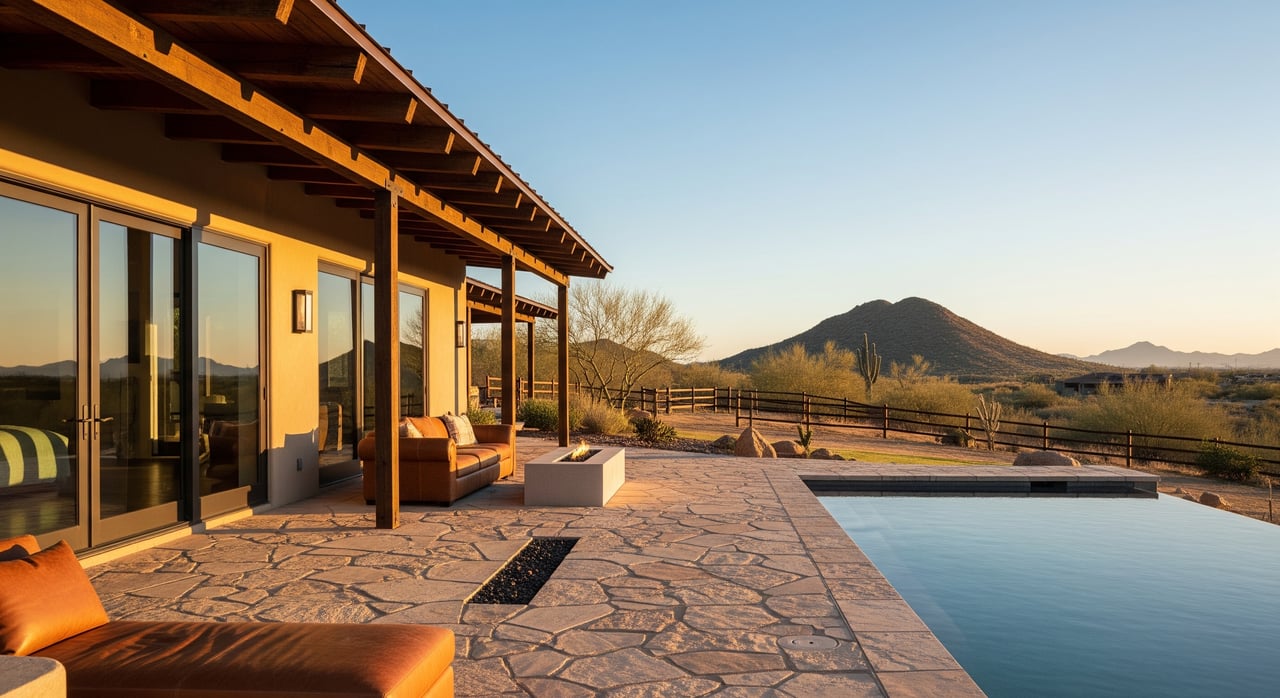
Craving big skies, privacy, and a true Western vibe without giving up luxury? If you love custom estates, natural desert views, and the freedom to keep horses, Cave Creek deserves a close look. In this guide, you’ll learn what sets Cave Creek apart, how horse-friendly living works here, what to verify about wells and septic, and how to plan financing and insurance on acreage. You’ll also get practical tips to protect resale value and make your move with confidence. Let’s dive in.
Why Cave Creek stands out
Cave Creek sits in the North Valley of metro Phoenix, just north of Phoenix and northeast of Scottsdale. You get the desert-and-mountain backdrop that luxury buyers seek, with relatively direct access to jobs, airports, and amenities. Drive times vary by route and traffic, so test your commute at peak hours.
The town leans into its Old West identity, from historic Main Street to Western-themed shops and saloons. That character shapes daily life and adds to the appeal for buyers who want space, authenticity, and a slower pace. For town resources and community updates, explore the official Town of Cave Creek site.
Set in the Sonoran Desert, Cave Creek has hot summers, mild winters, and intense sun. The climate supports year-round outdoor activity, especially in the cooler months, and it also influences smart property care, from water planning to wildfire awareness.
Luxury homes with room to breathe
You will find a wide range of luxury homes in Cave Creek, but the common thread is space and privacy. Typical options include:
- Custom estates on multi-acre parcels with dramatic indoor-outdoor living.
- Ranch-style homes and contemporary desert builds designed to frame views.
- Horse properties with barns, arenas, turnout areas, and trailer storage.
- Smaller infill homes and newer subdivisions closer to the town core.
Large lots are a hallmark. One-acre parcels are common, with many properties extending to several or even tens of acres. This scale allows for guest casitas, hobby garages, equine facilities, and generous outdoor entertaining areas. Because views, acreage, and horse privileges are prized, Cave Creek homes often command a premium relative to many other Phoenix areas. Exact prices shift with market conditions, so focus on value drivers like lot size, orientation, trail access, and quality of improvements.
Horse-friendly living essentials
Cave Creek is known for horse-friendly living. Many areas allow private horse keeping on larger parcels, but the details depend on zoning and any HOA rules. Before you buy, confirm the number of animals allowed, structure setbacks, and standards for fencing, drainage, and manure management.
Trail access and open space
One of the best parts of local equestrian life is the trail network and conserved desert around town. Riders, hikers, and wildlife watchers make good use of:
- Cave Creek Regional Park, a rugged Sonoran Desert preserve with multi-use trails and sweeping views.
- Spur Cross Ranch Conservation Area, known for lush desert, creek crossings in season, and scenic riding routes.
If regular riding is part of your lifestyle, map each candidate home to your preferred trailheads, boarding barns, trainers, and large-animal vets. Proximity can save time and reduce stress during emergencies.
What “horse-ready” looks like
Well-designed equine properties usually include safe, functional features like covered stalls or loafing sheds, tack and feed rooms, irrigated paddocks or turnout, a round pen or arena with proper footing and drainage, separate manure storage, and easy trailer circulation and parking. Ask for maintenance histories and verify that key structures were permitted.
Equestrian buyer checklist
- Verify zoning, any HOA CC&Rs, and allowed animal counts.
- Confirm water supply, including capacity for livestock and irrigation.
- Inspect barns, arenas, fencing, footing, and drainage with an equine-savvy eye.
- Request maintenance records for wells, septic, roofs, and outbuildings.
- Confirm trailer access and the distance to vets, farriers, and feed suppliers.
Infrastructure you should confirm
Acreage and rural infrastructure add freedom and also responsibility. Build these checks into your due diligence.
Water and wells
Some homes connect to municipal water. Others rely on private wells. If a property is on a well, confirm the permit, production history, and water quality. Irrigating paddocks and landscaping in a desert climate increases demand, so factor that into your operating plan. For zoning and permitting questions, start with Maricopa County Planning & Development.
Septic systems
Many rural and horse properties use septic. Ask about system age, capacity, permits, and recent service. A professional inspection can surface issues before they become costly. Review county guidance on septic systems so you know what to expect.
Power, internet, and access
Overhead power lines are common in rural pockets. Internet options vary by area, so verify serviceability if you work from home or stream heavily. Some roads and private driveways are unpaved. Confirm road maintenance responsibilities and emergency access. Start with the county’s overview of road services and maintenance and confirm details specific to your parcel.
Lifestyle, dining, and events
Cave Creek’s downtown corridor highlights Western-themed dining, live music, saloons, boutique shops, galleries, and small event venues. It feels authentic and fun, especially on weekends and during seasonal events. You are also within reach of Scottsdale’s golf, arts, and dining, so you can host and entertain with ease.
Outdoor living is a true advantage. The surrounding preserves and parks support trail riding, hiking, and mountain biking. Sunsets are a show, and winter mornings are made for coffee on the patio. If you want a luxury basecamp for year-round desert adventure, this is a strong fit.
Smart due diligence and risk
Desert living comes with its own safety checklist. Create defensible space around structures, especially if your parcel backs natural desert. Some insurers weigh wildfire risk in pricing and availability, so obtain quotes early. Review Arizona guidance on defensible space and preparedness with the Department of Forestry and Fire Management.
Check road access during heavy rains and confirm whether washes cross driveways or private roads. Review any recorded easements, setbacks, and accessory structure rules. For taxes, ask your agent to review county records for special assessments that affect your annual costs.
Financing and insurance tips
Lenders sometimes treat acreage and equestrian properties differently than typical suburban homes. Appraisals may need to account for barns, arenas, and larger parcels, and some loans require higher down payments. If you are exploring rural lending, review the USDA Rural Development Single Family Housing program and ask your lender about eligibility.
On insurance, start with standard homeowners coverage and add specialized policies as needed. Many horse owners consider farmowner packages that can include liability coverage for animals and protection for outbuildings. If wildfire risk is a factor, compare quotes across insurers early in your search.
Resale and long-term value
Properties with strong view corridors, documented and permitted equine facilities, quality water sources, and nearby trail access tend to perform well over time. That said, very unique features can appeal to a narrower segment. Keep records and permits organized, and invest in functional, well-built improvements rather than trendy extras that are hard to maintain.
Consider potential trade offs too. Homes near busy corridors may see more noise and less stargazing. Parcels adjacent to preserved open space often draw interest from buyers who value privacy and desert access.
Your path with a local advisor
Buying in Cave Creek is as much about lifestyle fit as it is about the house itself. You want a guide who understands equestrian needs, rural infrastructure, and luxury-market expectations. With deep North Valley and Scottsdale expertise, concierge-level service, and the marketing reach of The Agency, you get a partner who can navigate due diligence, negotiate a smart outcome, and position you for long-term enjoyment.
If Cave Creek’s Western luxury speaks to you, let’s create a plan tailored to your goals. Reach out to Beth Shindler to request an instant property valuation or private consultation.
FAQs
What sets Cave Creek apart from nearby areas?
- Cave Creek blends luxury homes with a small-town Western character, larger lots, and access to preserved desert and trail systems, all within reach of metro Phoenix amenities.
Can I keep horses on a Cave Creek property?
- Many areas allow private horse keeping on larger parcels, but the rules vary by zoning and any HOA CC&Rs. Verify animal counts, structure setbacks, and manure management standards before you buy.
Where can I ride near Cave Creek homes?
- Trail networks in the surrounding preserves support riding, with options ranging from scenic creek corridors to rugged desert routes. Map each candidate home to your preferred trailheads.
How do wells and septic systems affect my purchase?
- Plan extra due diligence. Confirm well permits, production, and water quality, and get a professional septic inspection. Budget for ongoing maintenance and potential upgrades.
How does wildfire risk impact ownership costs?
- Wildfire risk can influence insurance options and premiums. Create defensible space and obtain quotes early so you understand coverage choices and costs.
Are there loan options for rural or equestrian properties?
- Yes. Some buyers use conventional loans with specialized appraisals, while others explore rural programs. Work with a lender experienced in acreage and equine properties.