Comparing Scottsdale and Paradise Valley for your next home? You are smart to look beyond the list price. The true cost of ownership includes your mortgage, taxes, insurance, utilities, maintenance, and HOA fees. By the end of this guide, you will understand how each cost behaves in both markets and how to model your monthly and annual budget with confidence. Let’s dive in.
What drives cost differences
Paradise Valley and Scottsdale offer different property types and price tiers, which shape every line item in your budget.
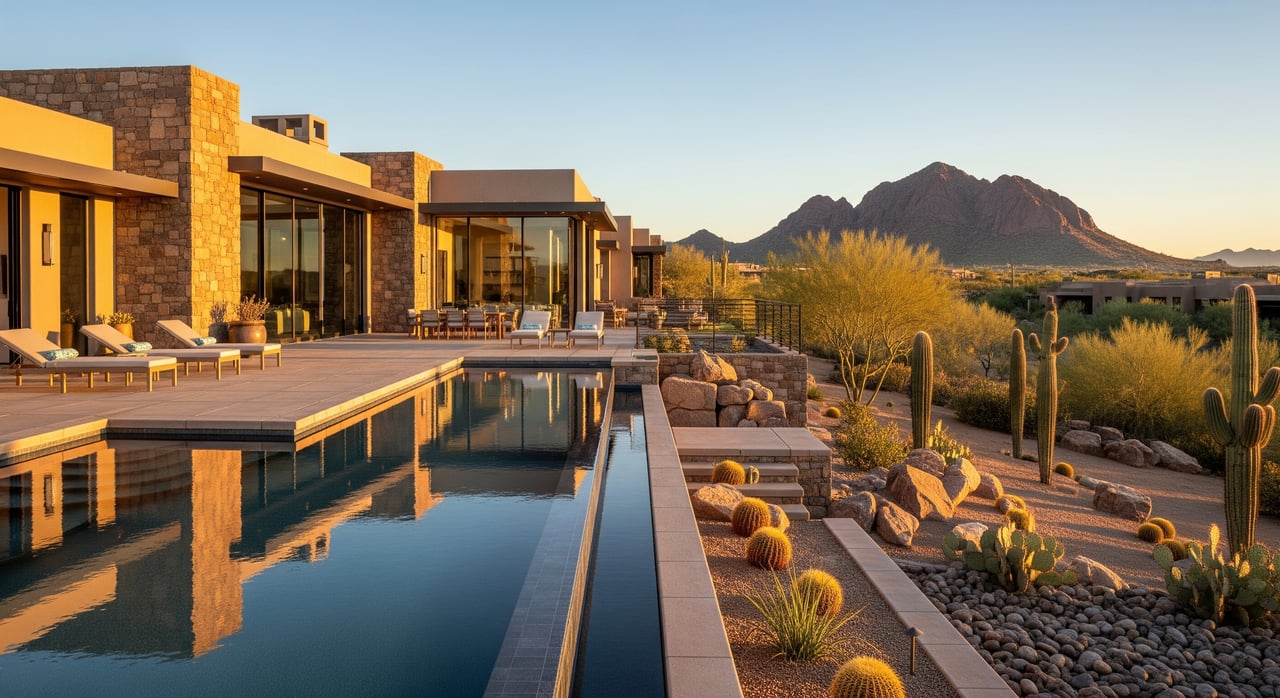
- Paradise Valley is known for large-lot luxury estates and custom homes with higher replacement costs and specialized systems. Inventory is limited and often sits at the upper luxury tier.
- Scottsdale offers a wider range of options, from condos and townhomes to luxury enclaves and golf communities. This range creates more variability in monthly costs.
- Higher purchase prices usually mean higher mortgage payments, larger insurance premiums, and bigger maintenance budgets. Custom estates with multiple HVAC zones, pools, and guest houses tend to have higher ongoing expenses.
Recurring ownership costs explained
Mortgage payments
Your mortgage depends on the purchase price, down payment, interest rate, and loan type. Because Paradise Valley typically has higher home values, monthly principal and interest will often be higher than a similarly financed Scottsdale home.
- What to do: Compare multiple loan scenarios and interest rates. Small rate changes can shift your monthly payment by hundreds or thousands of dollars.
Property taxes
Arizona’s effective property tax rates are moderate compared to many states, but the total dollars you pay scale with the home’s value.
- How to estimate: Annual property tax is generally assessed value multiplied by the applicable rate. For a quick monthly view, divide annual taxes by 12.
- Practical takeaway: Paradise Valley’s higher price points often produce larger tax bills in dollars even when effective rates are similar to Scottsdale. Always verify parcel-specific rates and special districts before you buy.
Homeowners insurance
Premiums reflect replacement cost, not market value. Larger custom homes, pools, guest houses, and specialized finishes can increase both coverage needs and premiums.
- Paradise Valley estates often carry higher replacement-cost coverage and may add liability coverage due to pools and larger lots.
- Scottsdale premiums vary widely across condos, townhomes, and single-family homes. Condo owners may carry less structural coverage if the HOA policy covers the building shell.
- What to do: Get quotes based on replacement cost and coverage details, including endorsements for wind or hail. Consider an umbrella policy if you have elevated liability exposure.
HOA fees
HOA dues can raise monthly costs but may reduce individual maintenance responsibilities.
- Scottsdale has many planned communities, condos, and townhomes with recurring HOA fees. Amenities and reserves drive the fee amount.
- Paradise Valley has many estates without HOAs. Some gated enclaves have HOA or private road and gate expenses.
- What to do: Review HOA budgets, reserves, assessment history, and insurance coverage details before you buy.
Utilities
Cooling drives electricity usage in both markets, especially in summer. Water costs depend on landscaping choices and lot size.
- Larger square footage, multiple HVAC systems, and pool equipment can increase power use.
- Lush landscaping and irrigated lawns can raise water bills compared to desert xeriscape.
- What to do: Request recent utility bills from the seller and confirm providers for electricity, water, gas, sewer, trash, and internet.
Maintenance and reserves
Every home needs ongoing care. Custom estates require more.
- Pools, water features, and extensive landscaping raise monthly service costs.
- Multiple or older HVAC systems, custom roofs, specialized finishes, and guest houses increase repair and replacement budgets.
- Rule of thumb: Many owners plan 1 to 3 percent of home value annually for maintenance on typical homes. For luxury or highly customized properties, plan a higher percentage depending on amenities and complexity.
Other ongoing costs
Depending on the property, you may see expenses for security systems, alarm monitoring, private road or gate maintenance, pool heating, irrigation, pest control, or septic service.
Side-by-side monthly examples
Below are two illustrative scenarios to show how the same cost categories scale differently. Substitute your actual numbers for a custom view.
- Loan assumptions for both: 20 percent down, 30-year fixed at 6.75 percent. Rates change often, so use this as a placeholder.
- Property tax assumption for both: effective 0.6 percent of purchase price annually. Your actual parcel rate may differ.
- Insurance: estimates reflect replacement-cost-driven premiums that scale with property complexity.
Example A: Scottsdale single-family
Assumptions: purchase price $1,200,000, planned community with HOA, typical pool and desert landscaping.
- Mortgage principal and interest: about $6,230 per month on a $960,000 loan
- Property taxes: about $600 per month
- Homeowners insurance: about $300 per month
- HOA dues: about $250 per month
- Utilities: about $540 per month
- Maintenance reserve: about $1,000 per month (1 percent annually)
- Pool and landscaping service: about $430 per month
- Other costs: about $50 per month
- Estimated total: about $9,400 per month
Key idea: The HOA adds cost but may reduce exterior maintenance you need to handle yourself.
Example B: Paradise Valley estate
Assumptions: purchase price $3,600,000, larger custom home with pool, water features, and extensive landscaping.
- Mortgage principal and interest: about $18,691 per month on a $2,880,000 loan
- Property taxes: about $1,800 per month
- Homeowners insurance: about $833 per month
- HOA or private road and gate expense: about $100 per month
- Utilities: about $1,050 per month
- Maintenance reserve: about $4,500 per month (1.5 percent annually)
- Pool and landscaping service: about $1,850 per month
- Other costs: about $80 per month
- Estimated total: about $28,900 per month
Key idea: Even if HOA dues are low or nonexistent, maintenance, insurance, and utilities scale with size, systems, and grounds.
How small changes move the numbers
- If rates shift by 0.5 percent, your mortgage payment can change noticeably. Always get updated quotes.
- If you increase your down payment, you lower the loan amount and can remove private mortgage insurance on certain loans.
- If you xeriscape or optimize irrigation, you can reduce water bills and landscaping costs.
One-time and transaction costs
Buyer closing costs
Buyers typically pay lender fees, appraisal, title and escrow charges, prepaids for taxes and insurance, and any HOA transfer or resale document fees. A common national range is 2 to 5 percent of the purchase price, but actual amounts vary by loan type and property price. Luxury transactions may include specialty inspections for pools, structures, and systems.
Seller closing costs
Sellers often pay the brokerage commission, a title policy on the seller side in Arizona, and any negotiated repairs. On higher-priced homes, the same percentage converts into larger dollar amounts. If you plan to remodel prior to listing, include that budget and timeline in your total costs.
Holding and timing
Carrying costs during a sale period include mortgage interest, taxes, insurance, utilities, and maintenance. For upper-tier properties with a smaller buyer pool, plan for these costs when setting your list date and strategy.
Insurance, hazards, and risk
Local risk and coverage choices
- Heat and monsoon season can stress roofs and HVAC systems. Review wind and hail coverage options.
- Pools, guest houses, and larger lots may increase liability exposure. Many owners consider an umbrella policy.
- Flood and earthquake are separate coverages. Flood risk can be localized, so always check the parcel’s status.
Replacement cost focus
Insurers base premiums on what it costs to rebuild with similar materials and finishes. High ceilings, custom millwork, imported stone, or multiple outbuildings increase replacement cost and can raise premiums.
HOA, rules, and remodeling
Governance and fees
- Scottsdale’s planned communities have CC&Rs that set maintenance levels, exterior changes, assessments, and amenity use. Fees vary widely by community and amenities.
- Many Paradise Valley estates are not governed by large HOAs. Gated enclaves may have HOA dues or private road and gate costs. Always read the budget and reserve study where applicable.
Permitting and design standards
Paradise Valley has strict hillside and design standards in certain areas. Scottsdale has its own review process for remodels and additions. Plan extra time and budget for approvals, especially for complex projects.
Short-term rental rules
Scottsdale has specific short-term rental regulations and licensing. Paradise Valley has stricter limitations in many areas. If rental income is part of your plan, confirm local requirements and taxes before you buy.
Resale, liquidity, and appreciation
- Paradise Valley’s ultra-luxury segment serves a smaller buyer pool. Time on market can be longer, and marketing must reach high-net-worth buyers. Trophy properties can be less volatile, but they require tailored exposure.
- Scottsdale has broader demand across price points, which can improve liquidity for mid-tier homes and condos. HOA rules and community desirability can influence long-term performance.
- Strategy tip: If you plan to sell within a few years, weigh carrying costs and potential improvements that enhance resale value.
How to choose what fits your goals
- Choose Paradise Valley if you value privacy, larger lots, custom architecture, and fewer HOA constraints. Plan for higher insurance, maintenance, utilities, and specialized service vendors.
- Choose Scottsdale if you want a wider range of price points, more HOA-managed options, and potentially greater liquidity in mid to upper tiers. Plan HOA dues into your budget.
- In both markets, your monthly total comes down to square footage, systems, grounds, and amenities, not just the address.
What to request before you buy
Create a property-specific view of cost of ownership with these items:
- Recent utility bills for electricity, water, gas, sewer, trash, and internet
- Current property tax amounts and any special district charges
- Insurance quotes based on replacement cost and liability needs
- HOA documents, budgets, reserve studies, and assessment history
- Pool, landscaping, and pest control contracts
- Maintenance logs and ages of major systems, including HVAC and roof
A transparent, line-by-line review helps you compare homes on more than price alone and keeps surprises out of your first year of ownership. If you want a tailored cost model for a Scottsdale or Paradise Valley property, reach out for a private consultation. Work with Beth Shindler to compare homes, validate numbers, and align your decision with your lifestyle and financial goals.
FAQs
Which city typically has higher monthly ownership costs?
- In absolute dollars, Paradise Valley is often higher because homes are usually more expensive and have larger maintenance, insurance, and utility needs. Specific properties can be exceptions.
Are property tax rates higher in Paradise Valley than Scottsdale?
- Effective tax rates can be similar across Maricopa County, but higher home values in Paradise Valley usually produce larger tax bills in dollars. Always verify parcel-specific details.
Do most Paradise Valley homes have HOA fees?
- Many Paradise Valley estates are not in large HOAs, though some gated enclaves have HOA or private road and gate costs. Scottsdale has many HOA communities, especially condos and planned developments.
How much should I budget for maintenance on a luxury estate?
- Plan above the typical 1 to 3 percent range. Many owners of custom estates budget 2 to 4 percent of home value annually, depending on pools, landscaping, and specialized systems.
What insurance differences matter most between the two markets?
- Replacement cost is the main driver. Pools, guest houses, and custom finishes can increase premiums. Compare quotes based on replacement cost and liability coverage, not just market value.